
-
When will petrol stations start disappearing?
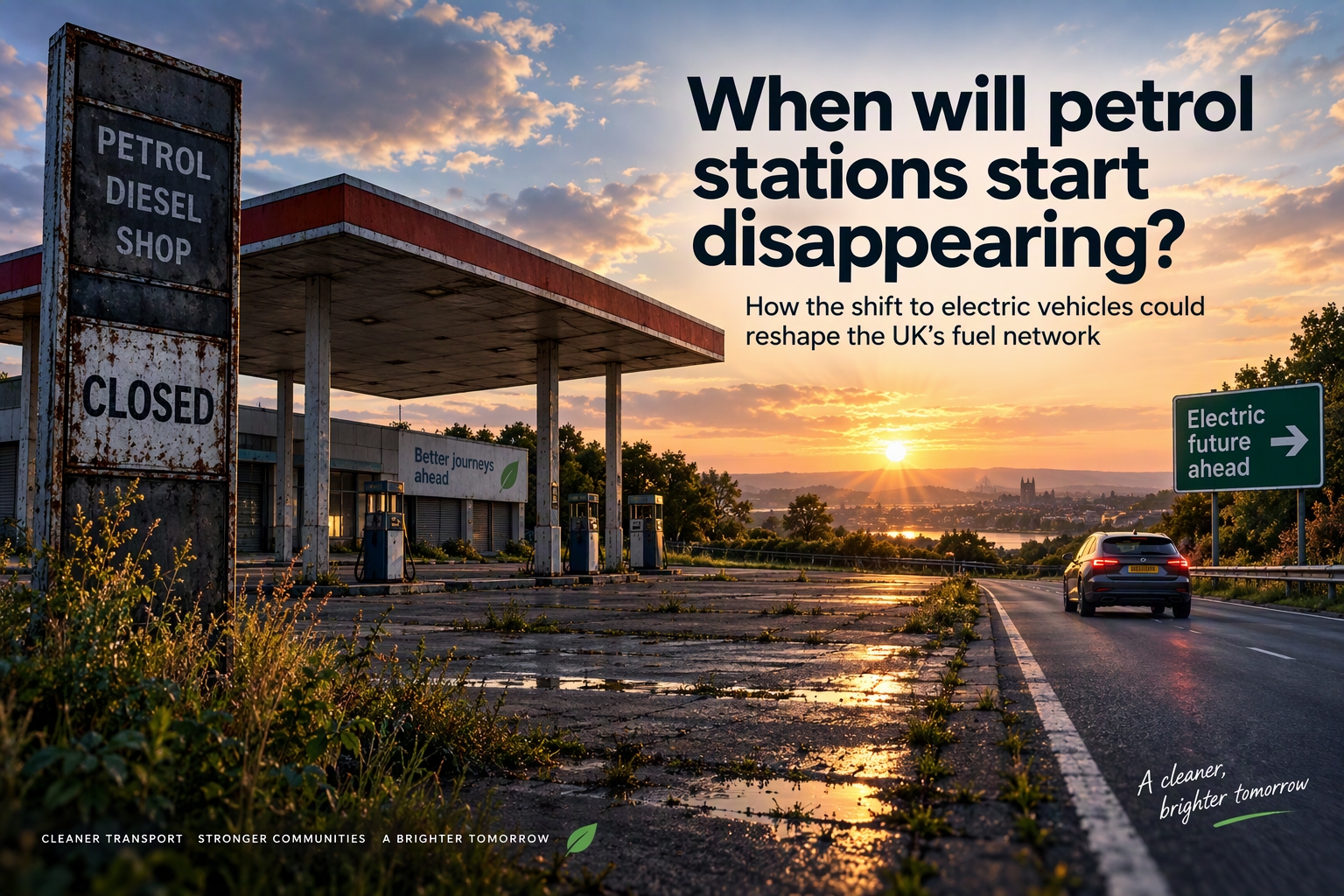
Britain’s petrol stations aren’t about to disappear, but as electric vehicles become more common and petrol sales decline, the economics of maintaining thousands of forecourts will change. Could the 2030s bring a tipping point where finding petrol becomes less convenient than charging an EV at home?
-
Warm Homes grants: what can you actually get, and do you qualify?

The government has now put much more detail behind its £15 billion Warm Homes Plan. From fully funded improvements for lower-income households to heat-pump grants and government-backed finance for solar panels and batteries, there may be more help available than you think. Here’s a practical guide to what you could qualify for, how the different…
-
Thinking of getting solar next year? It might actually be cheaper to borrow and do it now

-
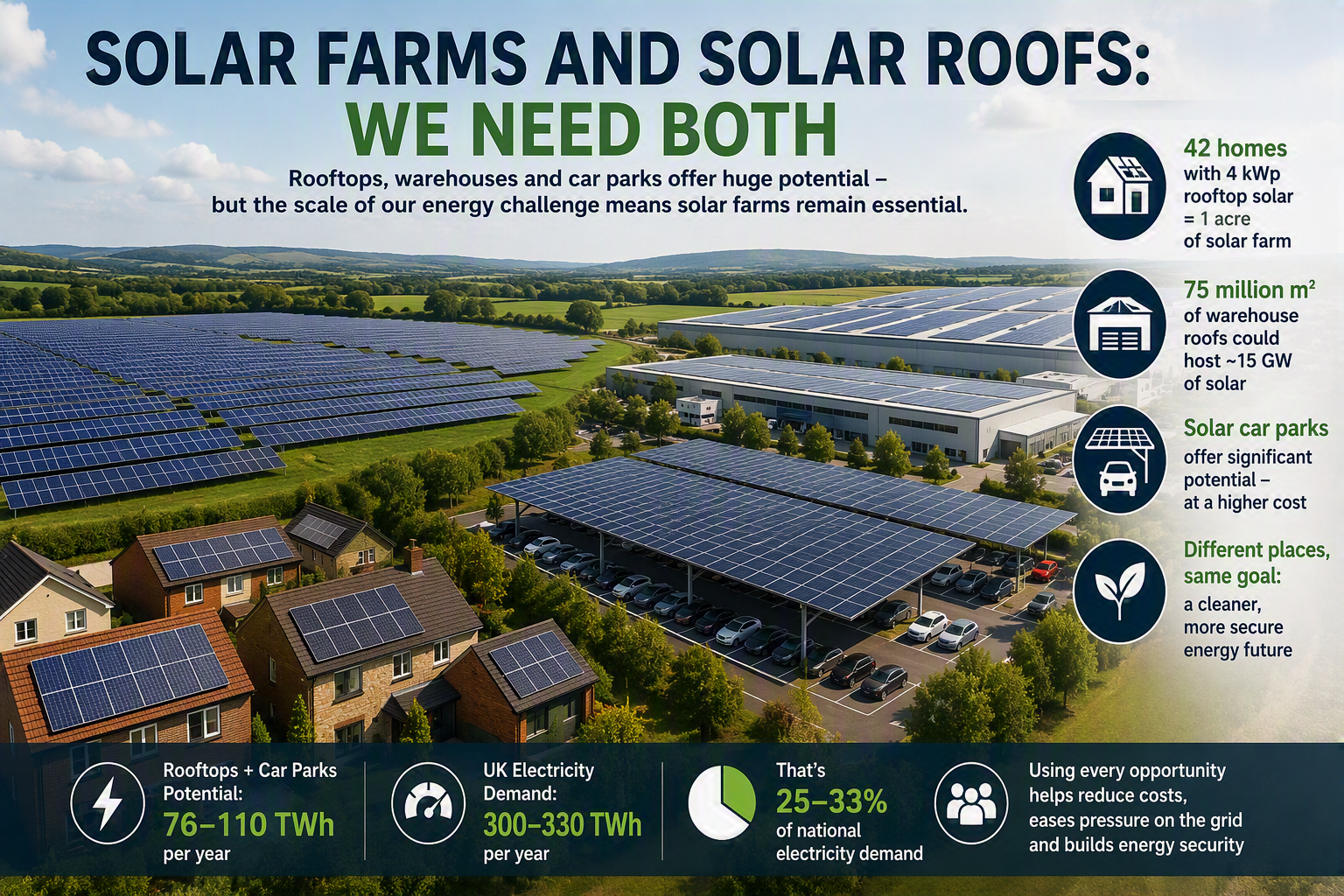
“Put Solar on Roofs Instead” – Does the Maths Add Up?
-
Understanding the True Cost of UK’s Electricity Bills
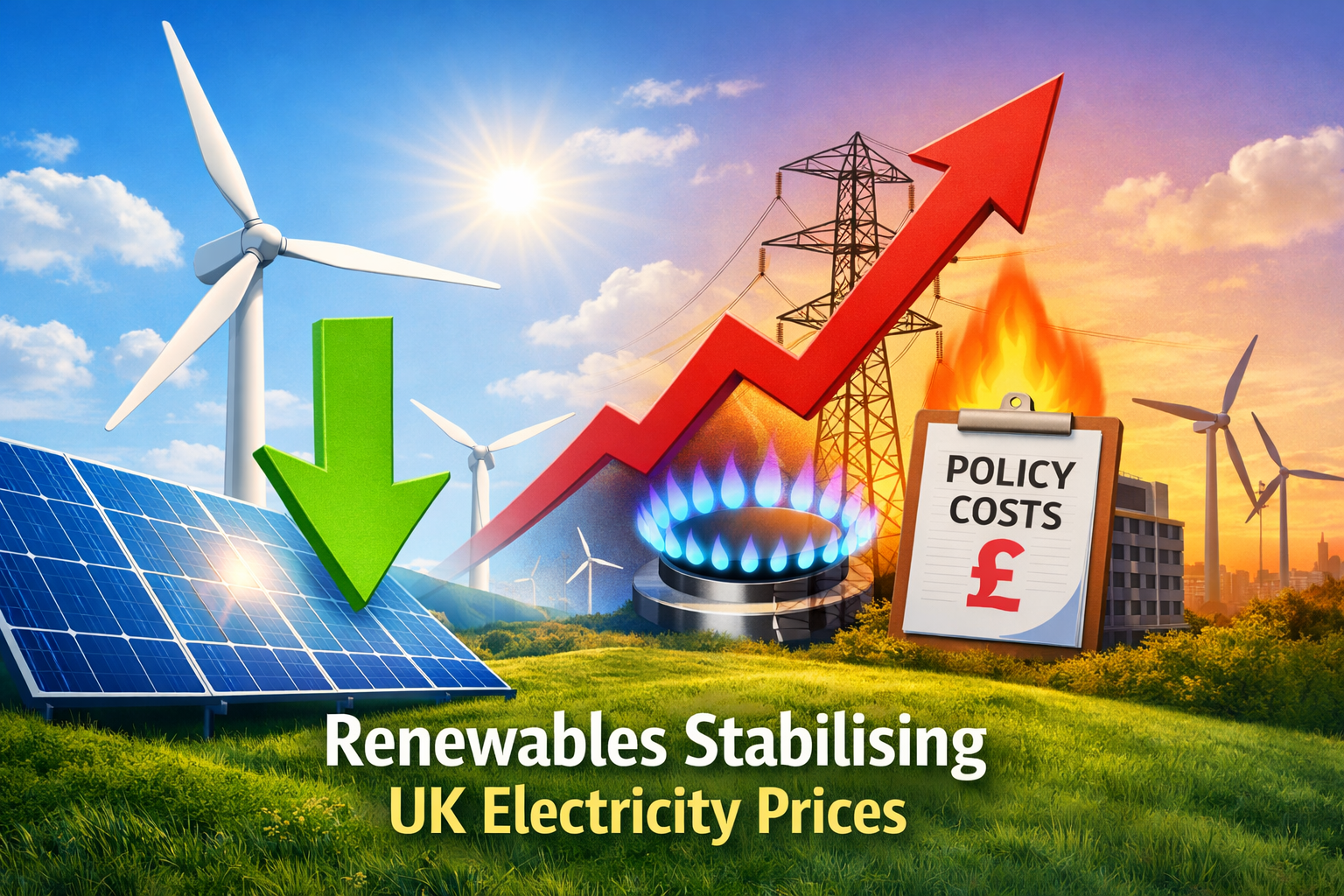
The UK’s high retail electricity prices stem from taxes, levies, and standing charges rather than elevated wholesale costs. Wholesale prices are competitive within Europe, positioned mid-pack. Other countries demonstrate both higher and lower wholesale prices based on their energy sources, with the UK not leading globally in costs.
-
Why are our energy prices still so high?
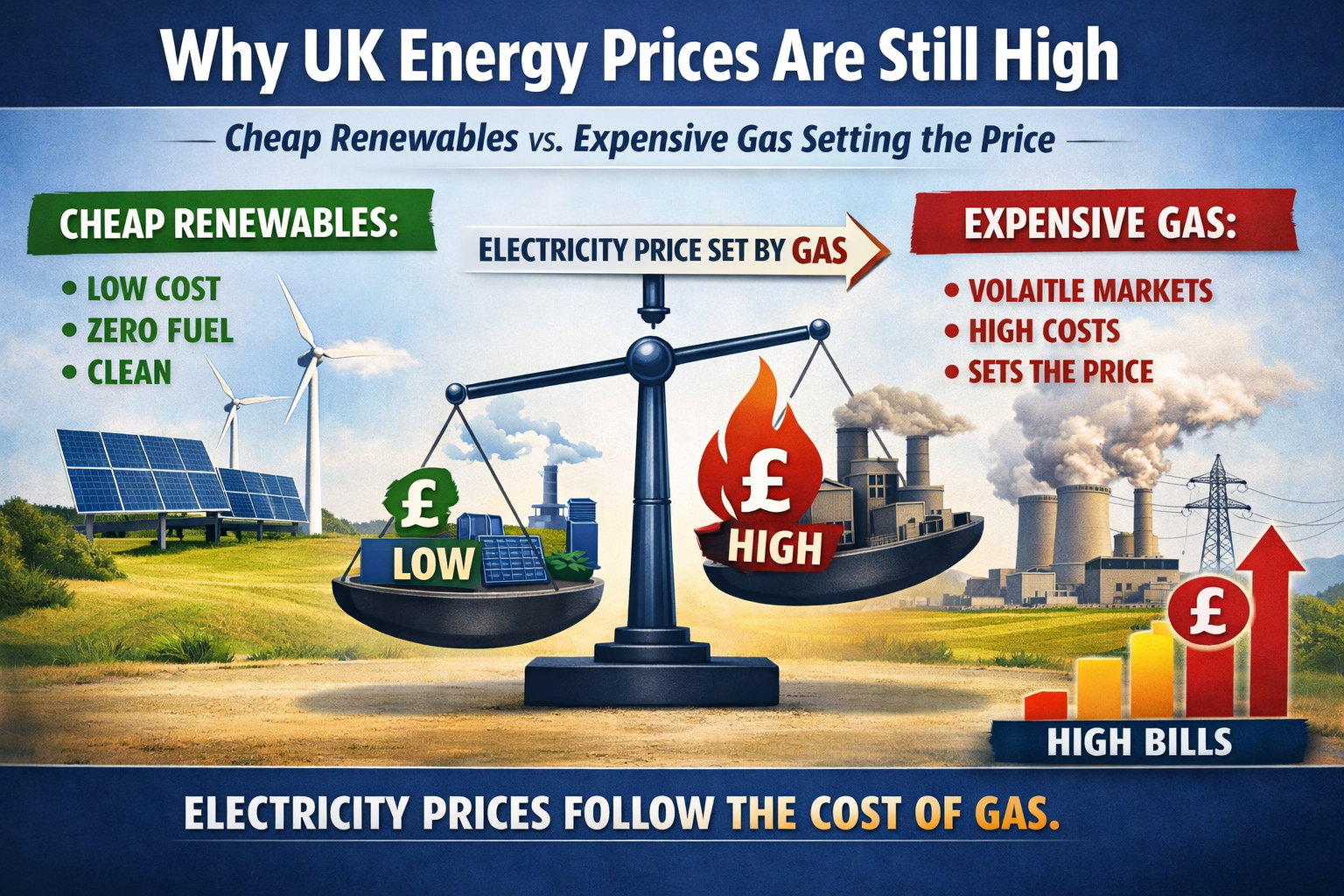
An explanation of why UK electricity prices are high for social media naysayers who keep asking without ever bothering to do an internet search or reading the comments. Some questions get asked so often you start to suspect people don’t actually want the answer, having been given their opinion by a FUDwit, Oilbot or unethical…
-
Dunkelflaute: Overcoming Renewable Energy Challenges
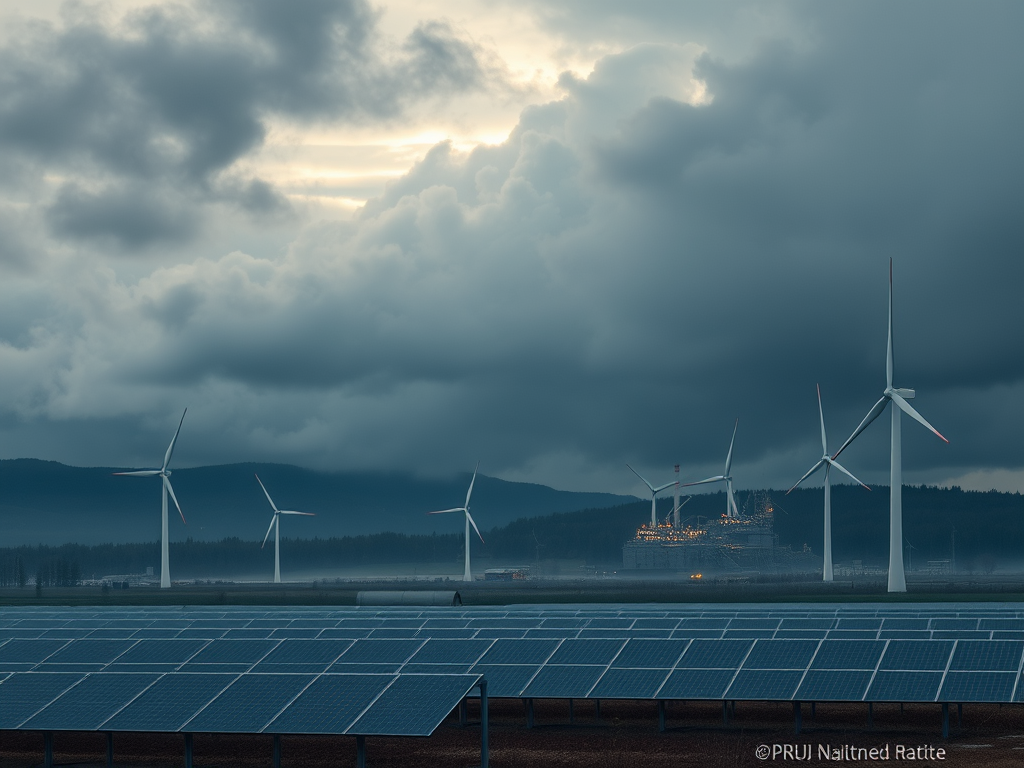
The transition to renewable energy in the UK necessitates understanding periods of low generation, known as Dunkelflaute. While relying on renewables reduces costs and emissions, adequate backup through a mix of gas, nuclear, storage, and Demand-Side Management (DSM) remains essential. Innovations in storage technology and capacity management will support a reliable, low-carbon grid.
-
How EVs Can Support the UK’s Power Grid
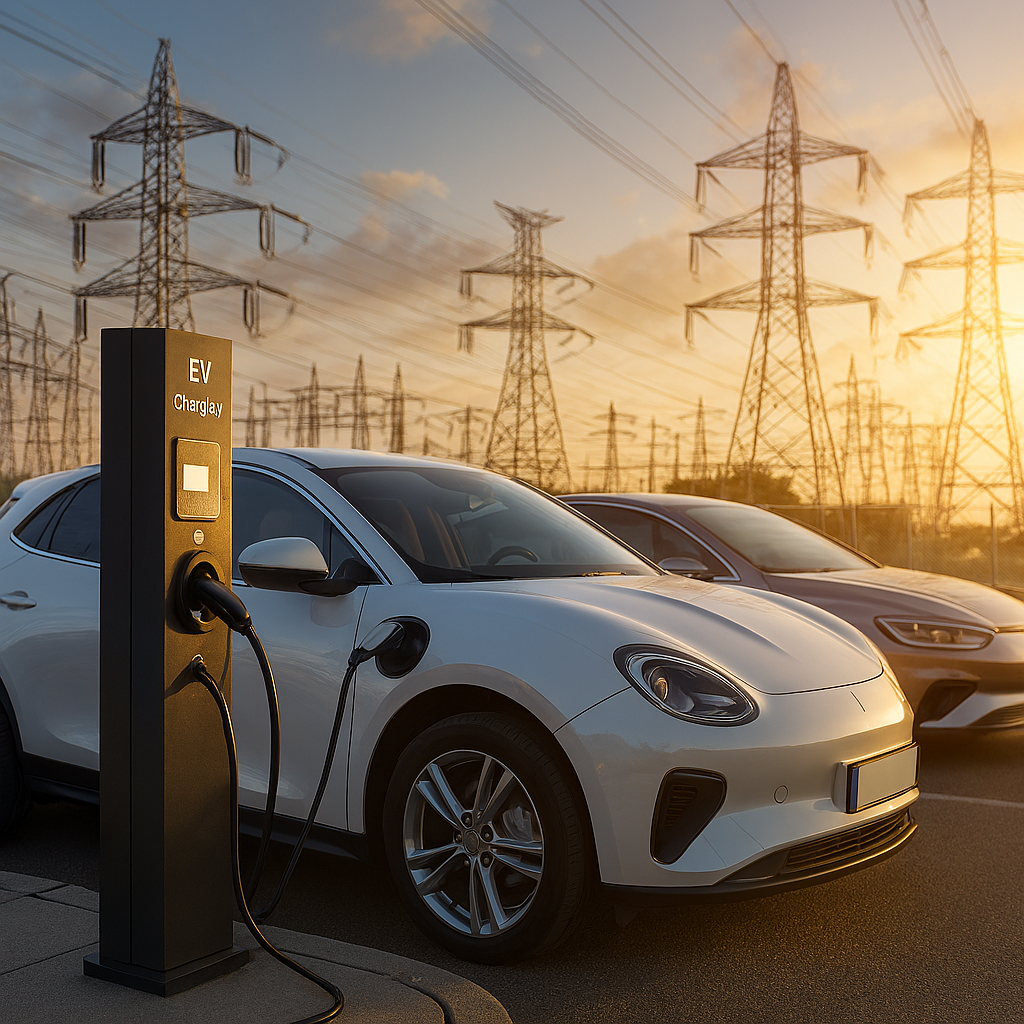
The UK electric car fleet is expected to increase to around 3 million by the end of 2026. Bidirectional charging equipped EVs can use a s mall fraction of their battery to provide valuable flexibility to the grid, reducing peak demand and reliance on costly peaker plants, resulting in potential savings for consumers and the…
-
📆 Reflecting on Sustainable Ferriby 2025: A community event for change

Yesterday’s Sustainable Ferriby 2025 event lived up to expectations, bringing together local residents, sustainability advocates, and even visitors from as far as Northumberland. The turnout was fantastic, and the discussions were insightful, reinforcing the importance of community-driven sustainability efforts. The core theme of the event was around optimism for sustainability, with celebration of how far…