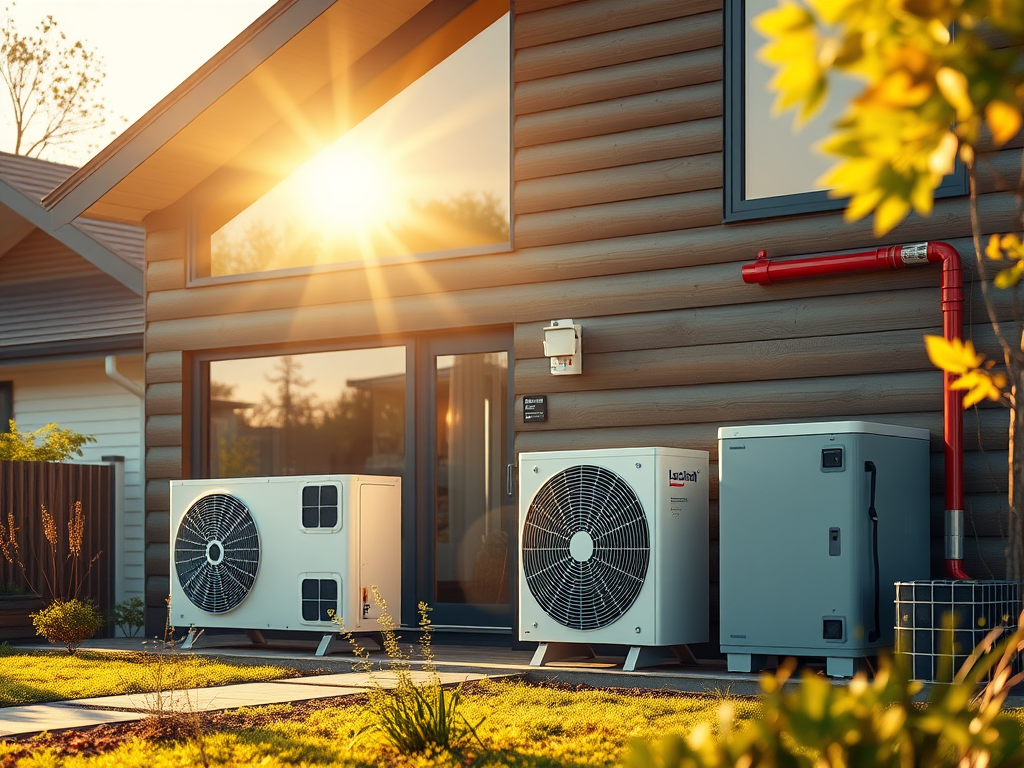
A Smarter Energy Future Starts at Home
In the fight against climate change, every household decision matters. While individual action alone won’t solve the crisis, shifting to more sustainable energy solutions—like heat pumps, battery storage, and solar panels—can significantly cut emissions while reducing reliance on fossil fuels. But choosing the right energy tariff is just as important as selecting the right technology.
For those who’ve invested in low-carbon heating and home energy storage, the way you buy and use electricity can make a real difference. Some tariffs offer ultra-cheap off-peak rates, while others reward homeowners for consuming power at the right times. Optimising energy usage isn’t just smart—it’s essential.
Let’s explore the some of the best energy tariffs for homes with heat pumps, battery storage, and solar panels—without an EV—to help maximise savings and sustainability. For brevity, the deep dive will compare just 2 for heat pumps and 2 for solar and battery households, each taking a different approach. There are many other tariffs available and the change frequently. You must make your own choice from these as to what will suit your needs best, but this article aims to give you some ways to asses one against another.
This article will finish with a short overview of heat pumps, solar = battery and load shifting .
Good Tariffs for Heat Pump Owners
A heat pump is one of the most efficient ways to heat a home, using ambient heat from the air or ground rather than burning gas. But even with high efficiency, an illustrative 8.5 kW heat pump in a large bungalow can consume significant electricity—making tariff choice a major factor in overall running costs.
1. Octopus Cosy – Flexible Savings for Heat Pumps
Octopus Energy’s Cosy tariff is specifically designed for heat pump users. It offers discounted electricity rates during designated periods, like early morning (4-7am), mid-day (1-4pm), and evening (10pm-12am).
📌 Why it works: By shifting heating demand into these cheaper slots, heat pump owners can cut costs dramatically. A smart thermostat or heat pump scheduling system can ensure your home is warm while avoiding the most expensive peak periods.
Impact: Helps to reduce grid demand at peak times, lowering the need for fossil-fuel-generated electricity.
2. British Gas Heat Pump Tariff – Stability Over Flexibility
This tariff fixes your electricity price for heat pump usage for 12 months at around 14p per kWh. While it doesn’t offer variable rates like Octopus Cosy, it provides predictability—ideal for those who prefer stability in billing without worrying about fluctuating energy prices.
📌 Why it works: If load shifting isn’t practical, this tariff offers a fair price without requiring smart scheduling.
Impact: Encourages long-term heat pump adoption by making running costs more predictable.

Good Tariffs for Battery Storage & Solar Owners
Battery storage enables homeowners to store excess solar power or charge when electricity is cheapest. With an 8 kWh battery and 3 kW output, a battery can shift a significant amount of electricity use to off-peak periods, reducing daytime reliance on the grid.
1. Octopus Intelligent Flux – Ultra-Cheap Charging for Batteries
One of the most powerful tools for battery owners, Intelligent Flux enables charging at just 5.6p per kWh during designated low-cost hours.
📌 Why it works: With smart charging controls, homeowners can fill their battery when energy is cheapest and run their heat pump from stored electricity instead of relying on the grid.
Impact: Supports load balancing on the national grid by shifting energy demand away from peak times.
2. British Gas Economy 7 – The Classic Off-Peak Saver
A long-standing time-of-use tariff, Economy 7 provides cheaper electricity overnight (typically 10pm – 8am, depending on location).
📌 Why it works: Owners can charge their battery overnight and use stored power during peak hours, making daytime electricity consumption more sustainable.
Impact: Incentivises off-peak energy use, reducing demand for fossil-fuel-generated electricity during peak times.
Optimising Energy Usage for the Future

The road to true sustainability isn’t just about switching to renewables—it’s about using them wisely. Households investing in heat pumps, solar, and battery storage can dramatically reduce their environmental impact, but choosing the right energy tariff is the final step in ensuring these technologies deliver the best possible benefits.
Putting it all together
- Heat Pump Demand:
An 8.5 kW heat pump, even if running at high efficiency (thanks to a 300–400% coefficient of performance), can draw significant power through the day, especially when the ambient temperatures are low. For a large house or bungalow, the heating load is the primary energy consumer. - Solar & Battery Synergy:
A 4 kWp solar system can offset some consumption during the day, but because most solar generation peaks when the heat pump’s demand isn’t highest, you’ll still rely on grid power at key moments. An 8 kWh battery with a 3 kW output (inverter) lets you store excess generation or cheap off‑peak energy—but its limited capacity means it’ll supplement rather than fully cover your heat pump’s consumption. An 8 kWh battery with a 5kW output is likely to output enough to run your heat pump on all but hte coldest days, while one with 10kW output should handle your heating, oven, hob and dishwasher at teh same time, without needing the grid. - Flexibility and Load Shifting:
With a smart meter and (ideally) a smart thermostat/heat pump controller, you might be able to run your heat pump preferentially during times when energy rates are at their lowest—whether that means early morning, mid‑day, or overnight. Your willingness (and ability) to adjust usage will determine how much you benefit from dynamic, time‑of‑use tariffs.
Making the Choice
- If simplicity is key: Tariffs like British Gas Heat Pump Tariff locks in a predictable rate and covers your heating load without needing daily intervention. This is ideal if you prefer not to manage multiple time windows.
- If you’re tech‑savvy & flexible: An Octopus Cosy Tariff type of tariff lets you shift at least part of your heat pump’s load—and even preheat—during deep‑discount periods. And if you’re willing to run your battery on a strict charging schedule, pairing it with intelligent tariffs can further lower your effective rates.
- If your usage mostly suits overnight concentration: The British Gas Economy 7 tariff might be viable, but remember that with an 8.5 kW heat pump, you’ll likely need heating outside the available off‑peak window.
Ultimately, your decision will hinge on how adaptable your heating scheduling is, the degree to which you can optimize your battery usage, and whether you value stable, know‑what‑you‑pay pricing over a more hands‑on, time‑of‑use approach.
Key Takeaways:
✅ Flexible time-of-use tariffs (like Octopus Cosy & Intelligent Flux) reward smart energy consumption.
✅ Fixed-rate tariffs (like British Gas Heat Pump Plan) simplify budgeting but don’t optimise cost savings.
✅ Battery storage paired with ultra-low off-peak tariffs maximises sustainability & savings.
Smart decisions today will shape the sustainable homes of tomorrow. Whether it’s adjusting when we heat our homes, store energy, or feed solar power back into the grid, every action counts. The climate crisis demands systemic change, but it also calls for smarter individual decisions. Choosing the right tariff is just one way to ensure every kilowatt we consume moves us toward a cleaner, more sustainable future.
 Sustainable Ferriby