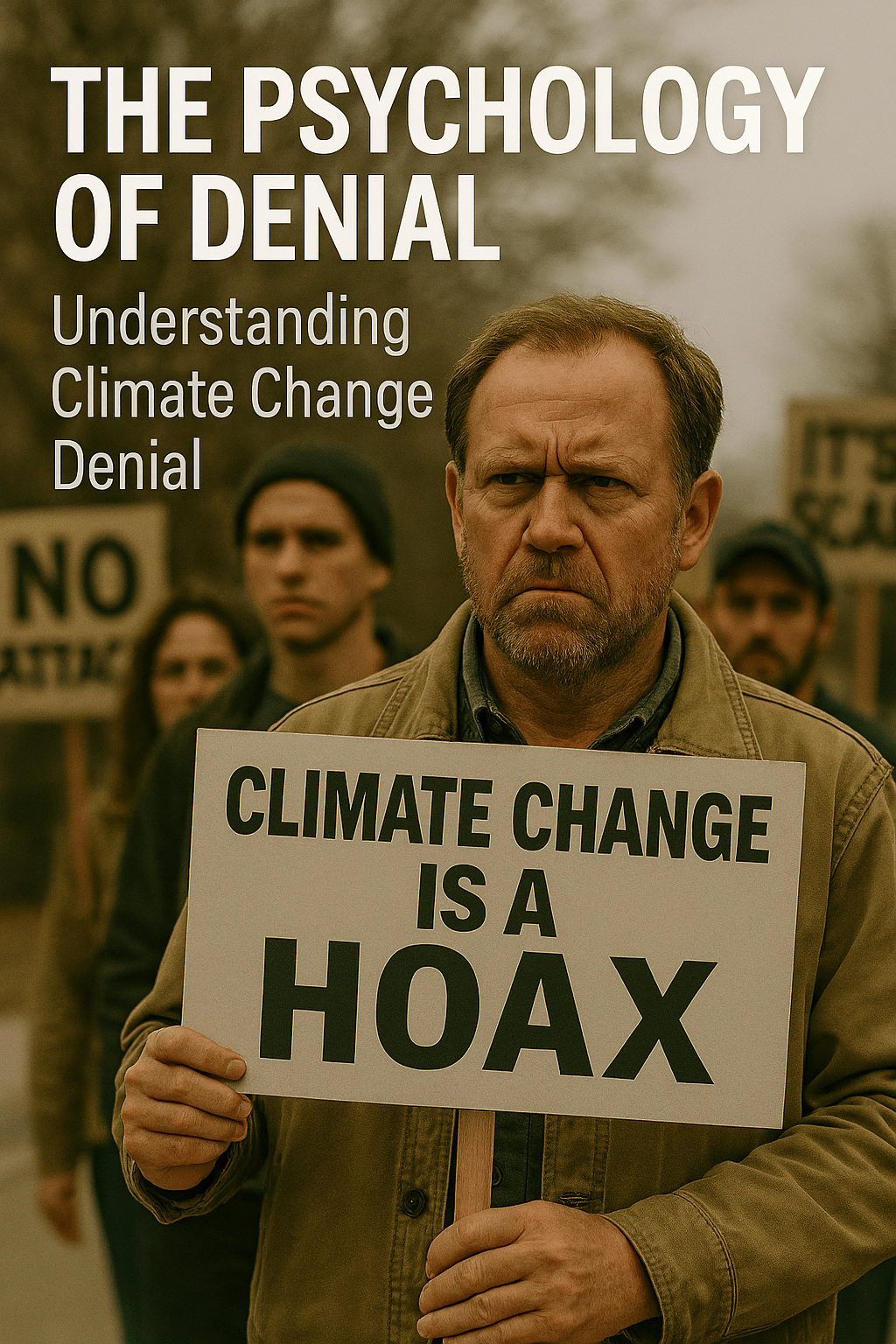
Understanding Climate Change Denial
Denial of global warming and climate change is a complex phenomenon, shaped by psychological, political, and economic factors. It is not merely a lack of information or scientific understanding, but often a deeply rooted coping mechanism and identity marker. This article explores the drivers of denial, the behavioural tendencies of deniers, and the broader societal context, drawing on recent scientific research (1).
Psychological and Cognitive Barriers
Humans are evolutionarily primed to respond to immediate, tangible threats rather than abstract, long-term dangers. Climate change, with its gradual progression and complex causality, does not trigger the same urgency as more immediate risks. This leads to what psychologists call “temporal discounting”—the tendency to undervalue future risks and rewards (Gifford, 2011). Denial can thus serve as a defence mechanism, helping individuals avoid feelings of fear, guilt, or helplessness in the face of overwhelming problems (Weintrobe, 2012).
Motivated Reasoning and Identity-Protective Cognition
Denial is often a form of motivated reasoning, where individuals selectively accept information that aligns with their pre-existing beliefs and identities. Kahan et al. (2012) describe “identity-protective cognition,” where people reject scientific evidence if it threatens their social or political identity. In the United States, for example, climate change denial is more prevalent among those with conservative political identities, where it serves as a marker of group membership and resistance to perceived regulatory overreach.
Political and Economic Influences
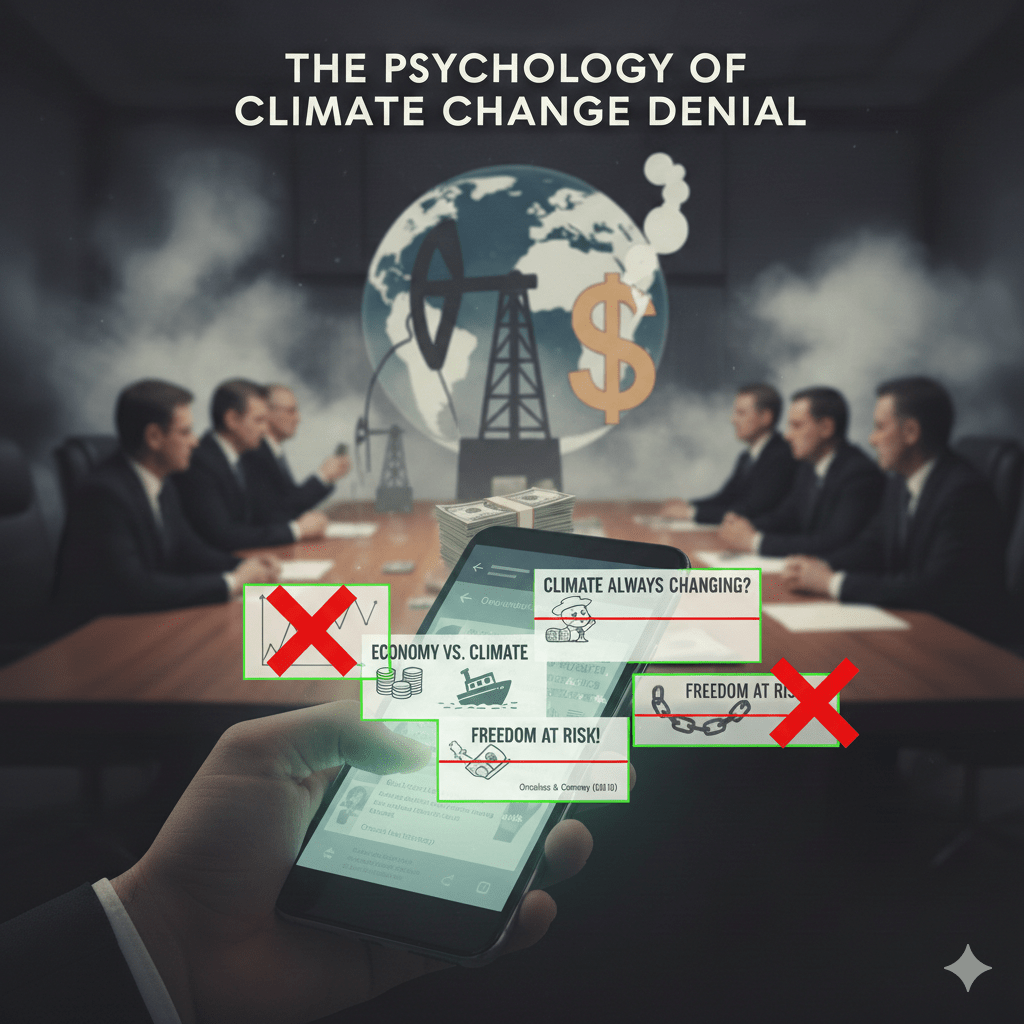
The persistence of denial is not accidental. Decades of organised, well-funded disinformation campaigns—primarily from fossil fuel interests and aligned think tanks—have intentionally sown doubt about climate science (Oreskes & Conway, 2010). These campaigns exploit scientific uncertainty, promote misleading narratives (e.g., “the climate is always changing”), and frame climate action as a threat to economic freedom and personal liberty.
Scientific Misunderstanding and Skepticism
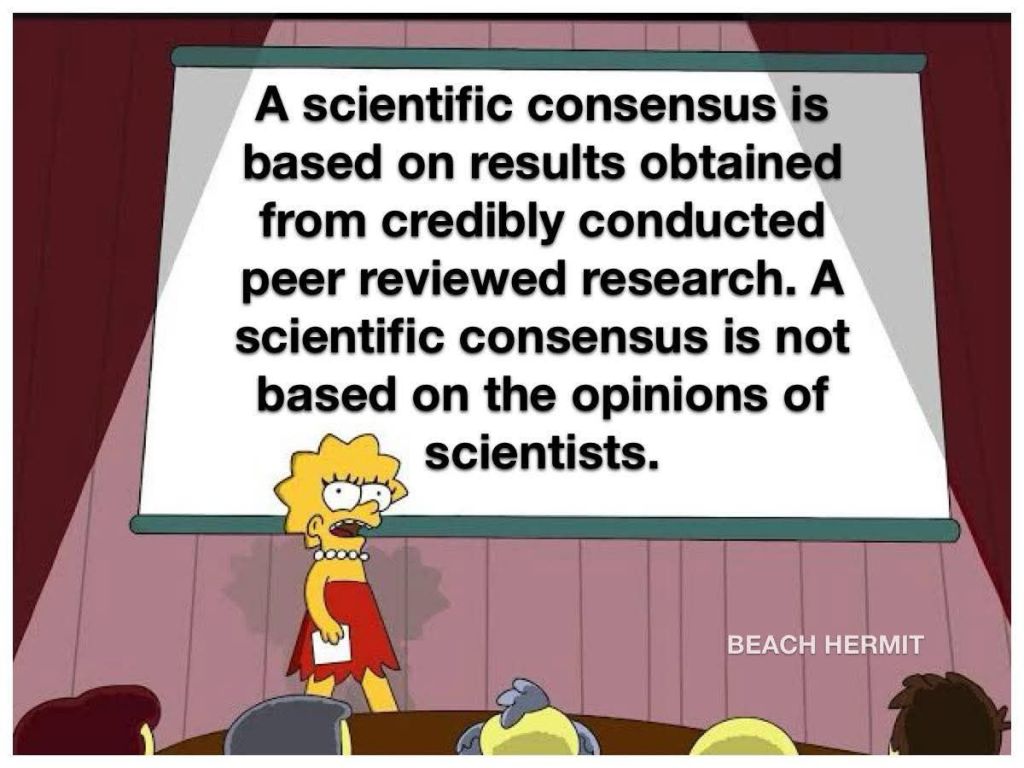
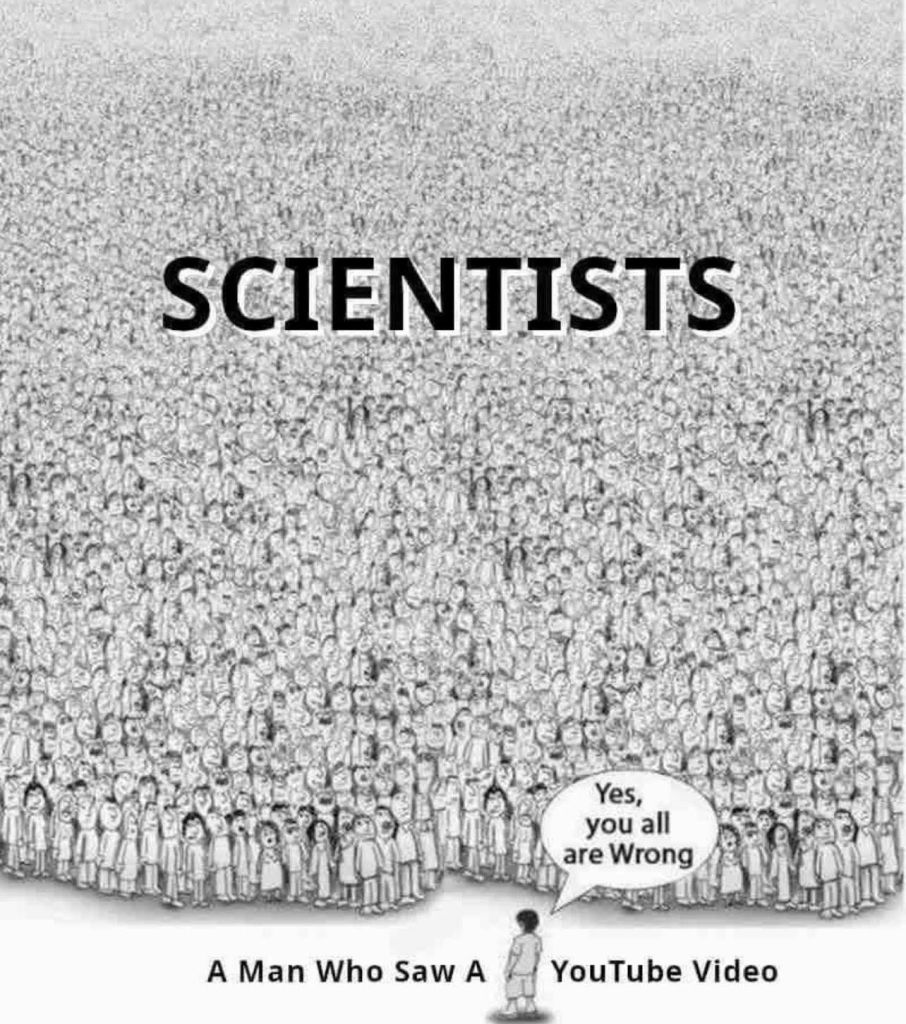
Deniers frequently argue that climate models are unreliable, that the science is not settled, or that natural variability explains observed changes. This often stems from a misunderstanding of scientific consensus and the nature of scientific uncertainty. Studies show that highlighting the overwhelming consensus among climate scientists (Cook et al., 2013) can reduce public misperceptions, but only to a limited extent, especially when identity-protective cognition is at play.
Echo Chambers and Media Influence
Nearly 15% of Americans deny that climate change is real
The rise of social media and partisan media outlets has created echo chambers—closed communities where misinformation and denialist viewpoints are amplified and rarely challenged. According to a 2024 University of Michigan study, nearly 15% of Americans deny that climate change is real, often relying on misinformation spread through these polarised media environments1. This effect is compounded by confirmation bias, where individuals seek out information that confirms their beliefs and ignore contradictory evidence.
Behavioural Tendencies and Common Characteristics Among Deniers
Research identifies several behavioural and psychological traits common among climate change deniers:
- Distrust of Authority and Experts: Deniers often exhibit a general scepticism towards scientific institutions and experts, sometimes rooted in broader anti-elitist or conspiratorial worldviews (Lewandowsky et al., 2013).
- Preference for Simple Explanations: Complex scientific explanations are often rejected in favour of simpler, more intuitive narratives (e.g., “weather always changes”).
- Resistance to Change: Deniers may have a higher need for cognitive closure and a preference for stability, making them more resistant to information that implies the need for significant lifestyle or policy changes.
- Social Conformity: Denial can be reinforced by social networks and group norms, especially in communities where scepticism is the default position.
- Political and Economic Self-Interest: Individuals whose livelihoods or identities are tied to fossil fuel industries or high-carbon lifestyles are more likely to deny climate change.
Summary
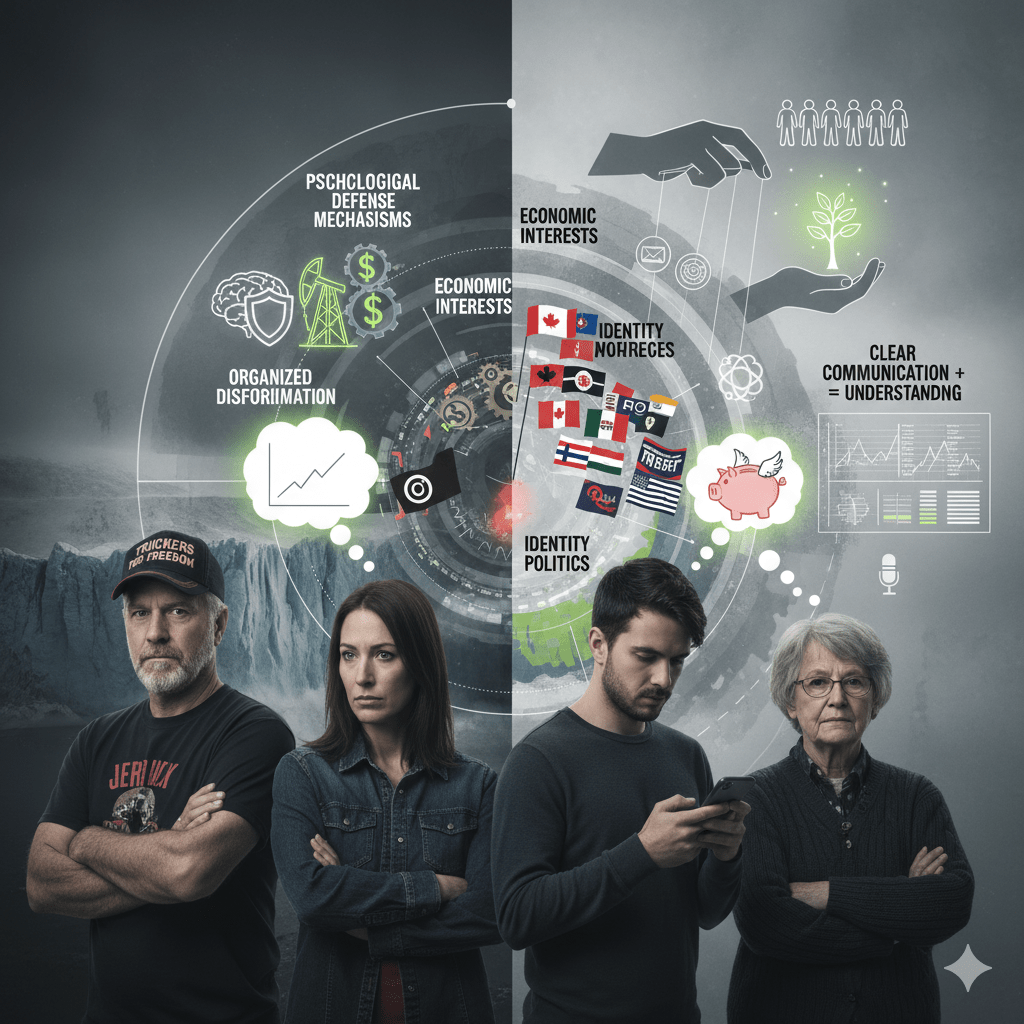
Climate change denial is a multifaceted phenomenon, rooted in psychological defence mechanisms, identity politics, economic interests, and the influence of organised disinformation. Deniers often share behavioural tendencies such as distrust of authority, preference for simple explanations, resistance to change, and strong group conformity. Addressing denial requires not only clear communication of scientific facts but also an understanding of the underlying psychological and social dynamics.
Developed from an article by Joseph Roncone
References
- Cook, J., et al. (2013). “Quantifying the consensus on anthropogenic global warming in the scientific literature.” Environmental Research Letters, 8(2), 024024.
- Gifford, R. (2011). “The dragons of inaction: Psychological barriers that limit climate change mitigation and adaptation.” American Psychologist, 66(4), 290–302.
- Kahan, D. M., et al. (2012). “The polarizing impact of science literacy and numeracy on perceived climate change risks.” Nature Climate Change, 2(10), 732–735.
- Lewandowsky, S., et al. (2013). “The role of conspiracist ideation and worldviews in predicting rejection of science.” PLOS ONE, 8(10), e75637.
- Oreskes, N., & Conway, E. M. (2010). “Merchants of Doubt.” Bloomsbury Press.
- Weintrobe, S. (Ed.). (2012). “Engaging with Climate Change: Psychoanalytic and Interdisciplinary Perspectives.” Routledge.

