The cheapest electricity is the energy you don’t buy
Did you know that leaving a 100 Watt device running all day, every day will add over £200 to your annual household bills*?
Read in to learn some simple things, and more sophisticated things, you can do to lower your bills.
1. Turn stuff off
It’s the easiest, most obvious choice.
A low energy LED lightbulb (~7W) left on for 3 hours per day, for example an outside light or bedroom light, will cost £50 per year.
Think about all the devices you leave on all the time, even the low energy ones: lights, hi-fi’s, pond pumps, switched on TVs, etc. Do you need them on at all? Can you turn them off more of the time?
Have a look at your smart meter monitor when when you during the day and again when you go to bed and see how many watts your house is consuming. It should be less than 400W.
Reduce it to 200W (6kWh per day) and you will save £500.
It’s fairly easy to change your habits and save hundreds of pounds per year.
2. Use Smart Home technology
Slightly counter-intuitively, plugging more things in can reduce your energy consumption!
Use some of your future savings to buy some smart bulbs and smart plugs. Use these to automatically turn things off at certain times of day, such as at dawn, bed time, after breakfast (when everyone goes out to work, school etc.).
Smart devices only use about 1 W. If they turn off higher consumption devices they very quickly pay for themselves.
If you are more technical you can set up smart routines (especially using Alexa or Google Home) that, for example, turn almost everything off at bed time (“Alexa, Goodnight”) or only turn something on for a period of time then turn it off again (“Alexa, warm the office”, which could turn on the fan heater for ten minutes).
3. Insulate
Absolutely one of the best things you can do is insulate. Insulate everything.

Loft insulation
Start with your loft. Get a council grant, they are easy to apply for. Ask your landlord to do it if you are renting. Or buy rolls of insulation from a DIY store. Aim for at least 300mm depth everywhere in the loft and anywhere else you can put it.
If you can put it under the floor do that too.
Wall insulation
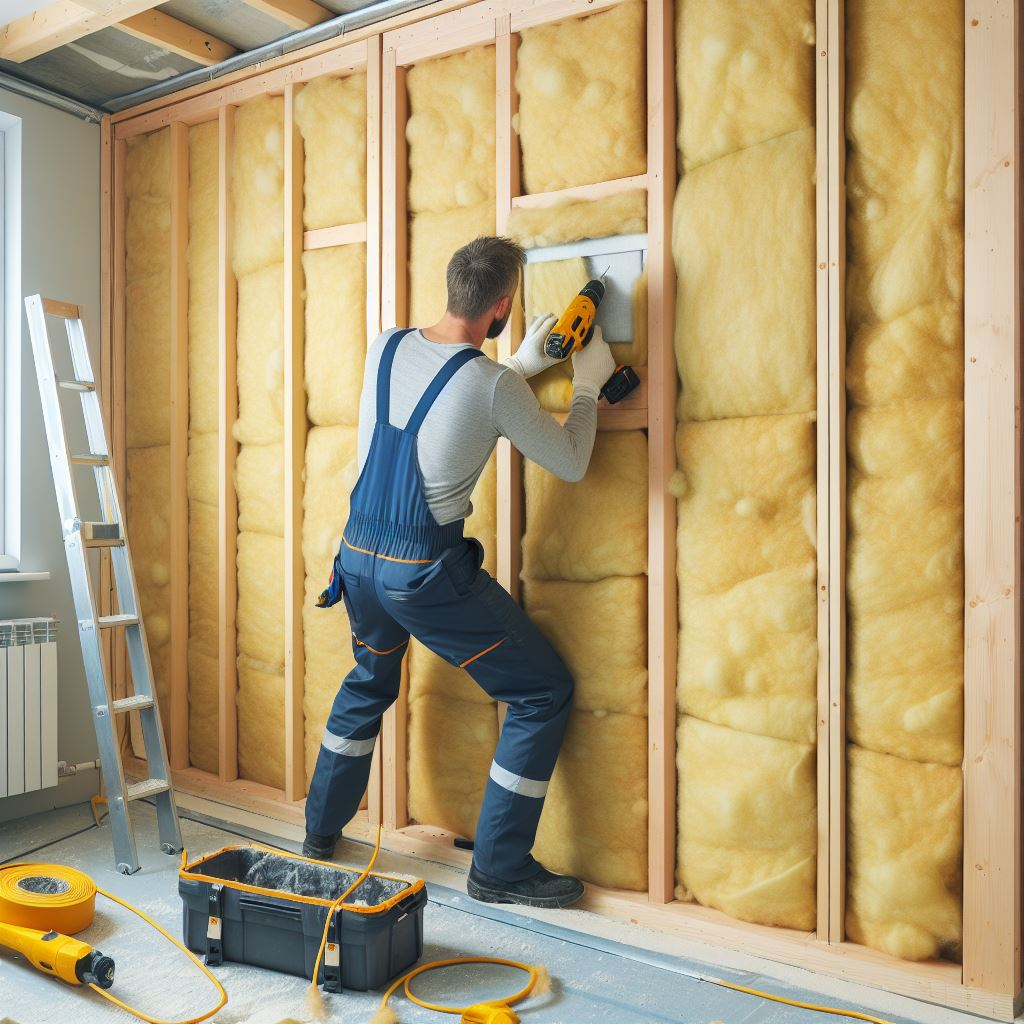
If you have cavities (most houses built after 1940 do) then confirm that the cavities are filled with insulation. You can get advice and often get grants for this from your council or some charities.
If you don’t have cavity walls you can consider adding internal wall insulation (probably as part of redecorating) or external wall insulation (a much bigger project). These are more costly, but may be worth it in the medium term.
4. Get an energy audit and heat loss survey
Lots of companies now offering these, including British Gas. They can cost as little as £50 and will give you advice and data and help you decide what to focus on for maximum cost effective improvements.
If possible get a heat loss survey. This tells you how much energy your home loses at various temperatures. It is essential to know this when upgrading your heating system and estimating heating costs.
You may already have one if you have recently bought a house. Since October 2008, all domestic buildings require an Energy Performance Certificate (EPC) when they are bought, sold or rented out. An EPC gives information on how to make your home more energy-efficient and reduce carbon dioxide (CO²) emissions.
There is a published register of assessors here:
https://www.gov.uk/get-new-energy-certificate
What does 100 Watts cost per year?
* A 100 Watt device running for 1 hour consumes 0.1 kWh of electricity.
Over a full year that adds up to 0.1x24x365 = 876 kWh
At £0.30 per kWh that's £260.
 Sustainable Ferriby